


.svg)
.svg)





Why Shopify SEO Matters for Ecommerce Success
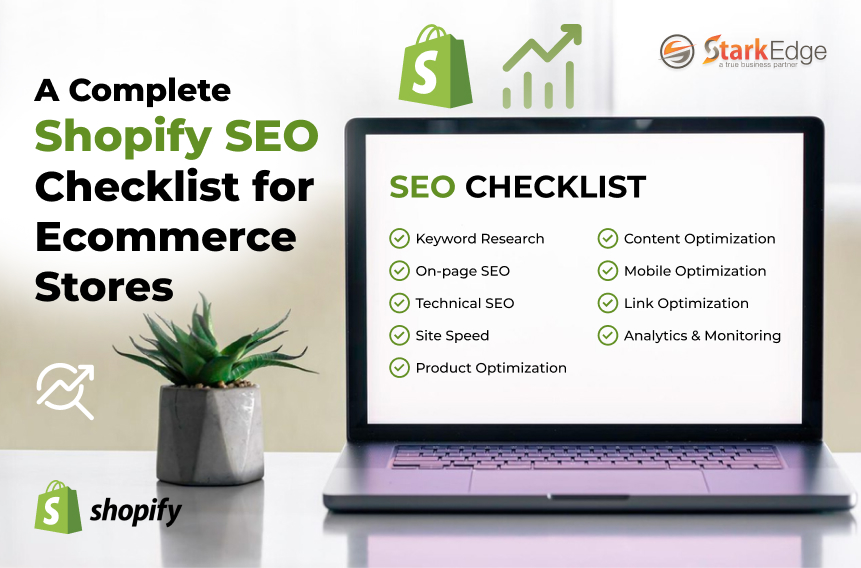
Being a great online merchant isn't all about the great products. The customers have to locate the products before buying. It's here where a very well-planned Shopify SEO checklist is essential. By optimizing their websites for search engines, ecommerce businesses can boost their visibility in search results, draw in relevant traffic, and drive more conversions.
Shopify SEO strategies can help your store rank for relevant keywords, so people can easily find your products. Whether you are launching a new store or improving an existing one, implementing proper Shopify SEO optimization techniques can lead to long-term growth and sustainable revenue.
From technical optimizations to great content and ongoing checks, this guide covers everything you need to improve your search performance.
Build a Strong SEO Foundation
Building a solid foundation is the first step in any effective Shopify SEO checklist. Search engines want to know your website's organization, your product categories and your website structure.
Start with Keyword Research
Keyword research is the first step to successful SEO. Look up the keywords that your customers type in when searching for a product like yours. Target a combination of high-volume, long-tail phrases and terms with purchasing intent.
Make use of dependable Shopify SEO tools to find out keyword chances, competitor evaluation and ranking gaps.
Organize Collections and Categories
A logical site structure enhances users' experience and search engines' crawling. Organize products into collections and develop well-defined category pages. This will help visitors navigate your site easily, and will also help search engines know whether the main elements of your site are products or services.
Optimize URLs and Navigation
Have short, descriptive, and keyword-rich URLs. Don't use any numbers or random characters that are not necessary. Your navigation menu should be simple and easy to understand and make it easy for visitors and search engines to find the important pages.
A lot of companies collaborate with a certified Shopify partner so that they can make sure that their store architecture is optimized from the start.
Create a Crawl-Friendly Structure
Make sure that all critical pages are only a couple clicks away from the home page. It enhances indexing and contributes to the overall Shopify Store Optimization.
Optimize Your Store Pages
After you have your foundation up and running, work on optimizing each page. Product and collection pages can be some of the most valuable assets for an ecommerce business' SEO.
Optimize Product Pages
Product page optimization is crucial to making search engines know what you're selling and to get people to buy it.
Include:
-
Unique product descriptions
-
Relevant target keywords
-
Clear product specifications
-
Customer-focused content
-
High-quality images
Don't use manufacturer descriptions, as this can reduce ranking potential due to duplicate content.
Improve Titles and Metadata
Optimized title tags should be created for each product and collection page, and should provide a clear description of the page contents.
Create engaging meta descriptions to entice people to click on your website from search engines. Although not directly impacting rankings, metadata certainly has a big influence on click-through.
Focus on Image Optimization
If your images are large, they will negatively impact your store and user experience. The following are essential components of image optimization:
-
Compressing images
-
Using descriptive file names
-
Adding keyword-relevant alt text
-
Selecting appropriate image dimensions
These practices lead to better access and visibility in search engines.
Strengthen Internal Linking
But strategic internal linking can spread the authority around your site and direct the navigational flow to other product pages and collections.
Link between:
-
Product pages
-
Collection pages
-
Blog articles
-
Buying guides
-
FAQ pages
This will provide more site structure and make for better interactions.
Optimize Collection Pages
Collection pages can often be found in the search engine results for more general queries. Incorporate specific introduction text, keyword-related headlines and descriptions to ensure higher visibility and Shopify SEO optimization objectives are met.
Improve Technical SEO
 Technical SEO guarantees the search engines can crawl, index and analyze your store correctly.
Prioritize Site Speed
The speed of your website affects user experience and ranks. Conduct regular Shopify speed optimization practices like:
-
Compressing images
-
Minimizing unnecessary apps
-
Reducing code bloat
-
Leveraging browser caching
Engagement and conversion rates will be higher with fast loading stores.
Ensure Mobile Responsiveness
Most people who shop online use their mobile devices. You should be able to look at your Shopify store on any phone or computer without any problems.
Making your store look good on all screens makes it easier for people to use and helps your store show up higher in search results.
Submit XML Sitemaps
XML sitemaps are automatically generated by Shopify. Submit your pages to Google Search Console to enable search engines to find and index your pages quickly and efficiently.
Check Indexing Status
Check indexed pages on a regular basis to make sure that search engines are indexing key pages. Quickly address indexing problems to avoid traffic loss.
Implement Structured Data
Structured data provides better information for search engines on products, reviews, pricing, availability, etc. Rich search results can enhance visibility and click through rates.
Fix Broken Links
Broken links are a bad user experience and can be a problem of crawl budget. Regularly audit to track and redirect stale URLs.
A technical audit is part of the optimization process that many businesses providing Shopify SEO services offer.
Continue Shopify Speed Optimization
As new products, apps and content are added on a regular basis, it is important to continue focusing on Shopify speed optimization.
Strengthen Your Content Strategy
Content marketing is a key element of present-day ecommerce SEO.
Create Valuable Blog Content
Content like blog posts will enable you to get more keywords targeted than product related tracking.
Examples include:
-
Product comparisons
-
Industry trends
-
How-to guides
-
Customer success stories
-
Educational resources
Good content boosts Shopify SEO performance and authority.
Develop FAQ Pages
FAQ pages address the most frequent customer queries and also take the advantage of beneficial search queries. They also enhance user experience and minimize support calls.
Publish Buying Guides
A buying guide not only assists consumers in making an informed decision, but also helps to generate sales opportunities for ranking on informational keywords.
Examples include:
-
Product selection guides
-
Size guides
-
Material comparisons
-
Seasonal recommendations
Expand Keyword Coverage
 Content marketing can complement the rest of your e-commerce SEO checklist by being optimized for search terms that your product pages may not be optimized for.
A considerable number of merchants work with shopify experts to establish scalable material approaches for long-lasting development.
Increase Organic Traffic
Regular content creation draws in new visitors along the way of the buyer journey and can help to increase organic traffic from search engines.
Monitor and Improve Performance
SEO is not a project that is just done once. Ongoing monitoring keeps results in check and enhances results.
Use Google Search Console
Google Search Console offers great insights into:
-
Search impressions
-
Click-through rates
-
Keyword rankings
-
Indexing issues
-
Technical errors
It is important to review regularly to find areas for improvement.
Track Analytics Data
Google Analytics enables you to get insight into how users behave, how they convert, and where they are coming from. Review performance statistics and recognize the pages that are performing well, as well as those that need improvement.
Conduct SEO Audits
Regular audits can identify:
-
Broken links
-
Duplicate content
-
Technical errors
-
Slow-loading pages
-
Missing metadata
A lot of shops that provide Shopify SEO services do in-depth audits, looking for growth opportunities.
Monitor Keyword Rankings
Track rankings with professional Shopify SEO tools and assess the effectiveness of your seo campaigns.
Refresh Existing Content
Add current information, updated keywords, and formatting to older content. Up-to-date updates are an indicator of relevance to search engines and aid in the continuous Shopify store optimization.
Maintain Long-Term SEO Growth
Shopify SEO involves ongoing upkeep, tracking, and optimization for search engine changes.
Conclusion
By adhering to a thorough Shopify SEO checklist, you can boost your website's search rank, user experience, and e-commerce sales. Online merchants can ensure sustainable growth by establishing a solid SEO foundation, optimizing store pages, enhancing technical aspects, producing valuable content, and tracking outcomes.
If managing SEO in-house becomes challenging, partnering with one of the top SEO outsourcing firms can provide the expertise and ongoing support needed to scale your ecommerce growth. Regular updates, performance checks and technical enhancements keep the site competitive.